Top 10 Most Populated Cities in the World 2025
The most populated cities in the world are growing rapidly as global urbanization continues to increase. Every year, millions of people move to large cities in search of better jobs, education, healthcare, and improved living standards. This has led to the rise of massive megacities across Asia, Africa, and other regions.
In 2025, some of the most populated cities include global urban giants such as Tokyo, New Delhi, and Shanghai. These cities are not only population centers but also major hubs for economy, technology, transportation, and culture. However, the rapid growth of the most populated cities also creates serious challenges like overcrowding, traffic congestion, pollution, housing shortages, and pressure on infrastructure. Governments are now focusing on smart city development and sustainable urban planning to manage this growth effectively.
In this article, we explore the top 10 most populated cities in the world (2025) with updated population data, trends, and key challenges.
Related: Here are Top 10 Largest Economies in the World 2026
Why Are Megacities Growing So Fast?
The rapid growth of megacities is mainly driven by urbanization, economic opportunities, and better living standards. Millions of people move from rural areas to cities every year in search of jobs, education, healthcare, and modern infrastructure. Major cities such as Tokyo, Shanghai, and New Delhi have become global economic hubs that attract workers, students, and businesses from across their countries.
According to the United Nations Population Division, urban populations are expected to continue growing rapidly over the next few decades. Improved transportation, digital connectivity, and industrial development are also contributing to the expansion of modern cities.
Future of Megacities by 2050
Experts predict that by 2050, nearly two-thirds of the global population will live in urban areas. Countries in Asia and Africa are expected to experience the highest urban population growth. Cities like Dhaka and Lagos are projected to become even larger due to rising birth rates and economic migration.
Organizations like UN-Habitat and the World Bank Urban Development Program are encouraging sustainable urban planning, green transportation, and smart city technologies to handle future population growth efficiently.
World Urban Population Statistics
- More than 56% of the world population currently lives in urban areas.
- The number of megacities with over 10 million people continues to rise every year.
- Asia has the highest number of populated megacities in the world.
- By 2050, the global urban population is expected to increase dramatically.
- Large cities contribute significantly to global economic growth and innovation.
Source: United Nations Urbanization Data
10. Osaka:18.9 million
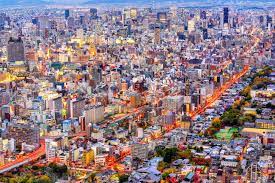
Osaka, Japan With a population of about 18.9 million inhabitants is one of the most populous cities in the world. Decrease in 0.24% population has observed in 2025 as compared to last year. Main challenges facing Osaka is transportation. The train is the required medium, representing 31 percent of total trips; followed shipments walk (27 percent) and cycling (32 percent); while the mobilization cars represents only 26 percent and two percent buses. The issue of water is also a priority, despite the development of policies for their care, including pipes for recycling gray water and rain, an estimated seven percent of drinking water is lost through leakage.
09. Mumbai : 22.08 million
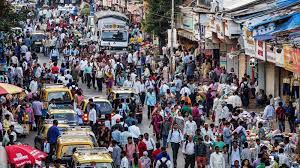
Mumbai is a city of 22.08 million people. It is also the most important port city of the Indian subcontinent. The demographics are changing and growing daily. Mumbai has grown by 415,900 individual in the last year 2024.
08. Beijing: 22.59 million
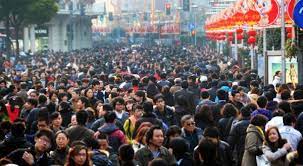
Beijing is one of the most populated cities in China, only surpassed by Shanghai in terms of population. Total population of Beijing is about 22.59 million. It is also a major transportation hub, as it has multiple railroads, highways and roads. It is now recognized as the cultural, political and social heart of China.
07. Mexico:22.75 million

Mexico estimated population is 22.75 million. There is 1.1% increase in population has observed from 2024.The Mexican capital is a celebration of contrasts where ancient and modern coexist in harmony. Here you can find an Aztec temple in the midst of very modern buildings and centers of Aztec heritage scattered throughout the city, museums, art galleries, monuments and archaeological sites to visit. Mexico City is the largest city in North America. The city was built by the Aztecs as a lake known as Tenochtitlan in 1325. The city was destroyed by the Spanish in 1521 and rebuilt in 1524 by the Spanish.
06. Sao Paulo: 22.99 million

Sao Paulo, Brazil has increased its population with 0.8% from 2024. With 22.9 million registered peoples makes Sao Paulo most populous and one of the largest urban areas in the world .
05. Cairo: 23.07 million

Cairo is one of the most populated cities in the world, with an estimated population of around 23.07 million people in 2025. It is the largest city in Egypt and the entire Arab world, serving as a major center for culture, politics, and history.
Cairo is known for its rich heritage, ancient monuments, and rapidly growing urban population. However, the city also faces serious challenges such as overcrowding, traffic congestion, pollution, and pressure on infrastructure due to continuous population growth.
Despite these issues, Cairo continues to play a key role in the economic and cultural development of the Middle East and Africa, making it one of the most important megacities globally.
04.Dhaka:23.9 million
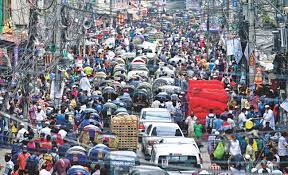
Dhaka is dense city which is located in Bangladesh. The increase of population in Dhaka is about 2.92 % as compared with 2024. It is expected that in 2035 the population of Dhaka will be 31.2 million. International corporations and local thousand of business increase the population of Dhaka. Growth in population is problem in Dhaka to increase the poverty rate.
03. Shanghai:30.48 million
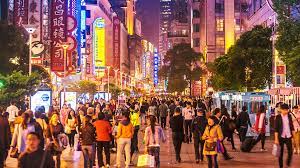
Third most populated city on the planet is Shanghai, China, with 30.48 million of people, a 2.06% increase from 2024. Shanghai is experiencing the rapid increase in population growth with addition of 700000 individual annually. Pudong is the area which contributing the highest population within Shanghai with 5.81 million residence.
02. New Delhi: 34.66 million
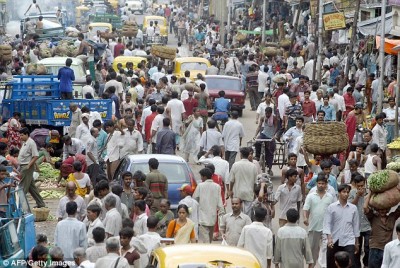
New Dehli is facing housing shortage, since in Delhi there is a big gap between demand and actual supply of this commodity, according to government data. In fact, experts estimate that between 1950 and 2050 water availability in India will fall from 5,177 cubic meters per person in 1140 due to the ever increasing population.
01. Tokyo: 37.1 million people

In 1965 Tokyo became the most populated city in the world and until now still is. In fact, the city center and its metropolis has 37.1 million inhabitants, above cities like Mexico and New York. Tokyo is the administrative capital of Japan. To some extent, its overcrowding concentrated because 10% of the total population of Japan. Tokyo is one of the main urban centers of the planet. It is the political and financial capital of Japan. Nevertheless, it is not a city with skyscrapers, as it is an area with a significant risk of earthquakes. The buildings are rarely more than 10 floors.
Key Takeaways
- Tokyo remains the most populated city in the world.
- Asia dominates the list of global megacities.
- Rapid urbanization is reshaping economies and lifestyles worldwide.
- Smart infrastructure and sustainable development are becoming increasingly important.
- Megacities are becoming the economic and technological backbone of the modern world.
Conclusion
The world’s most populated cities continue to grow rapidly as urbanization expands across the globe. From Tokyo to New Delhi and Shanghai, these megacities are becoming major centers of business, technology, culture, and economic activity.
However, rapid population growth also creates serious challenges such as traffic congestion, housing shortages, pollution, water scarcity, and pressure on public services. Governments and urban planners must focus on sustainable development, better transportation systems, and smart city technologies to manage future growth effectively.
As the global urban population continues to rise toward 2050, megacities will play an even bigger role in shaping the future of the world economy and modern living. Understanding how these cities grow helps us better prepare for the opportunities and challenges of urban life in the coming decades.
FAQ – Most Populated Cities in the World (2025)
Q1. Which is the most populated city in the world in 2025?
Tokyo is the most populated city in the world in 2025, with an estimated population of over 37 million people.
Q2. Why are cities becoming more populated?
Cities are growing because of:
- Better job opportunities
- Improved healthcare and education
- Urbanization and industrial growth
- Migration from rural areas
According to the UN, nearly 66% of the world population may live in urban areas by 2050.
Q3. Which country has the most megacities?
China has the highest number of megacities, including Shanghai and Beijing.
Q4. What is a megacity?
A megacity is a metropolitan area with a population of more than 10 million people.
Q5. Which is the fastest-growing populated city?
Dhaka and New Delhi are among the fastest-growing cities because of rapid urbanization and economic opportunities.
Q6. What problems do highly populated cities face?
Major challenges include:
- Traffic congestion
- Housing shortages
- Water scarcity
- Pollution
- Poverty and overcrowding
Q7. Which is the largest city in North America by population?
Mexico City is the largest city in North America by population.
Q8. Why is Tokyo so populated?
Tokyo is Japan’s political, financial, and economic center, attracting millions of residents and workers from across the country.
Q9. Which populated cities are located in Asia?
Some major Asian megacities include:
- Tokyo
- Shanghai
- Beijing
- Mumbai
- Dhaka
Q10. Will urban population continue to grow in the future?
Yes. Experts predict that urban populations will continue growing rapidly, especially in Asia and Africa, due to economic development and migration trends.
Top 10 Most Populated Cities in the World (2025 Comparison Table)
| Sr No | City | Country | Population (2025) | Key Highlight | Major Challenge |
|---|---|---|---|---|---|
| 10 | Osaka | Japan | 18.9 Million | Advanced transportation system | Water leakage & transport pressure |
| 9 | Mumbai | India | 22.08 Million | Major port city & financial hub | Overcrowding & infrastructure stress |
| 8 | Beijing | China | 22.59 Million | Political & cultural center of China | Traffic congestion & pollution |
| 7 | Mexico City | Mexico | 22.75 Million | Largest city in North America | Urban expansion & pollution |
| 6 | Sao Paulo | Brazil | 22.99 Million | Largest urban area in Brazil | Traffic and housing issues |
| 5 | Cairo | Egypt | 23.07 Million | Largest city in the Arab world | Overpopulation & pollution |
| 4 | Dhaka | Bangladesh | 23.9 Million | Fastest-growing megacity | Poverty & overcrowding |
| 3 | Shanghai | China | 30.48 Million | Global financial powerhouse | Rapid population growth |
| 2 | New Delhi | India | 34.66 Million | Rapid urban expansion | Housing & water shortages |
| 1 | Tokyo | Japan | 37.1 Million | World’s most populated city | Earthquake risk & overcrowding |
People Also Search For: Top 10 Countries with the Highest Military Spending